14 Helpful Pasta Cooking Tips
Parnell Dean / Foodservice Tips, Restaurant Tips / October 3

Whether it’s spaghetti and meatballs or macaroni and cheese, pasta is a delicious and versatile food loved by many. Although preparing pasta is fairly easy, this list of pasta cooking tips will help you make the best bowl of fettuccine, pan of lasagna or plate of raviolis that you possibly can.
1. Use a Lot of Water
Pasta not only expands as it cooks (sometimes tripling in size), but it also releases starch that can cause the noodles to stick together. If you want to give your linguine, rigatoni and other varieties enough space to expand and move around so they don’t clump, PastaShoppe.com recommends using a gallon of water for every pound of pasta.
2. Salt the Water
If you salt the water, a bit of the salt will get absorbed into the pasta and really enhance the flavor. Although it seems like a lot, most cooks recommend adding 2 teaspoons of salt to the water for every pound of pasta you cook. Only a very small amount of this salt will be absorbed into the pasta, so don’t worry about your fettuccine alfredo or baked ziti turning out too salty.
3. Don’t Add Oil
Contrary to popular belief, adding oil to the water doesn’t keep pasta from sticking. In fact, according to chef and TV personality Alex Guarnaschelli, adding oil to the water can lead to oily pasta, making it more difficult for the sauce to stick. If you want to keep your pasta from sticking, cook it in a large pot and stir occasionally.
4. Bring Water to a Boil Before Adding Pasta
If you’re in a hurry, you might want to add your pasta before the water has come to a full boil. Although this seems like it might be a good way to save time, adding your pasta too early can lead to overcooked pasta that’s sticky and gummy.
5. Stir After Adding the Pasta, Then Again Occasionally
Stirring is the best way to prevent sticking. Remember to stir the pasta right after adding it to the boiling water and then again occasionally as it cooks, at least once every 2 to 3 minutes. Most chefs agree that pasta tends to stick less as it gets closer to being done, so stirring at the beginning is what’s most important.
6. Taste for Doneness
Although the directions on the package are definitely a good place to start, don’t rely on them to know when your pasta is done. Instead, taste it yourself. It should be al dente, firm yet still soft. A good rule of thumb is to start testing the pasta about 2 minutes before the package directions say it should be done: if the pasta feels hard or sticks to your teeth, it needs more time.

Remember to slightly undercook pasta if you’re going to use it in another recipe like baked lasagna or mac and cheese.
7. Undercook When Necessary
Many people forget that using pasta in a baked casserole or adding noodles to a hot sauce continues the cooking process. If you don’t want your lasagna florentine or spaghetti bolognese to be mushy, undercook your pasta by about 2 minutes before using it in a casserole or adding it to the sauce. By doing this, the pasta can cook a bit more in a recipe without getting mushy.
8. Don’t Let Cooked Pasta Sit in the Water
If your pasta is done but you don’t have a strainer within reach, you might be tempted to turn off the heat and let the pasta sit in the water for a few minutes. While the burner may be off, the residual heat will actually continue cooking your pasta: if the noodles sit long enough, they will turn into a mushy mess. That’s why it’s best to drain your pasta as soon as it’s done cooking.
9. Don’t Rinse the Pasta
Even though you might think that rinsing pasta will help prevent accidental overcooking and remove excess salt, chef Giada De Laurentiis cautions against it. Rinsing noodles after cooking removes some of the starch from the exterior, making it more difficult for sauces to stick. Instead, simply drain your pasta and let it cool down on its own.
10. Reserve Some Pasta Water
Although most people pour the pasta water down the drain with no hesitation, it’s a good idea to save at least a 1/4 cup. The water is full of starch, so it’s great for adding to the sauce if you want to thicken it up without changing the flavor. As an added bonus, the extra starch will help the sauce stick to the pasta a bit more, too
11. Choose the Right Pasta
There’s a reason why elbows are used in mac and cheese and rotini with a chunky sauce: a pasta’s shape and size makes it better suited for certain recipes than others. By learning more about the types of pasta and how they’re normally used, you can determine which kind is best for your recipe.
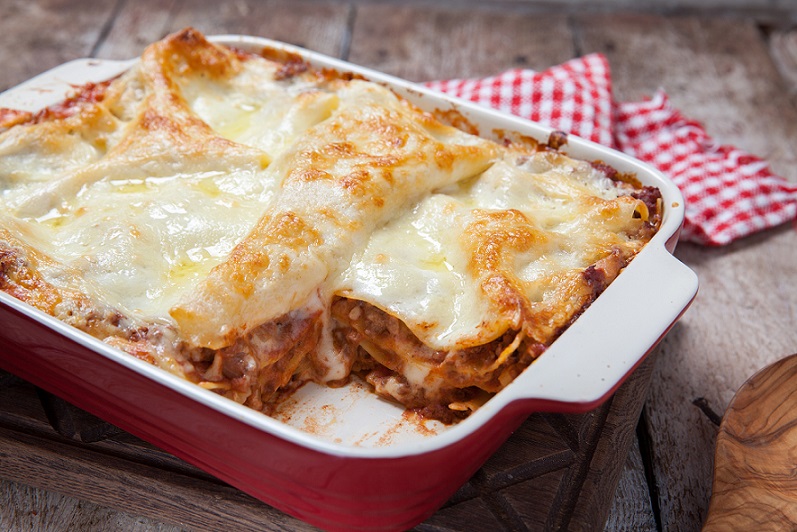
It’s important to choose the right type of pasta for the recipe.
12. Cooking Fresh or Frozen Pasta
6-10 minutes is considered the standard cooking time for almost all types of dry pasta. However, if you’re boiling fresh or frozen pasta, it’s important to remember that fresh pasta cooks faster and frozen pasta cooks slower. Fresh pasta sometimes only takes 2-3 minutes to become al dente, but frozen pasta needs 30 to 60 additional seconds of cooking time.
13. Filled Pasta Floats
It can be difficult to know when raviolis, tortellinis or gnocchis are done. Luckily, filled pastas will give you a visual cue when they’re ready: whether dried, fresh or frozen, filled pastas come to the surface of the water and float when they’re fully cooked. So, once your cappellettis or pierogies come to the surface, drain them immediately.
14. If Holding Pasta, Add a Bit of Oil
Ideally, pasta should be served as soon as it’s drained. But if you’re not quite ready to eat yet, add a little bit of oil to the pasta to keep it from sticking as it cools. Adding too much oil will make it difficult for the sauce to stick, so use as little oil as possible.


