How to Make a Value Menu
McKenzie Cissik / Foodservice Tips, Restaurant Tips / February 17
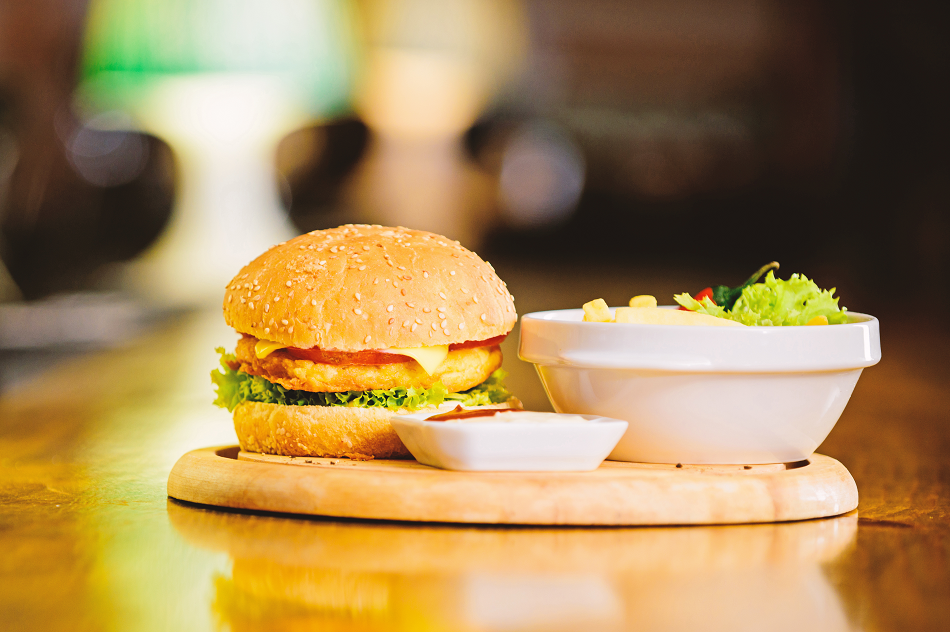
With prices on food, gas and groceries inflating each day, it can be tough for a commercial kitchen operator to make consistent sales. Since many people opt to use their money for buying essentials over an optional meal from a restaurant, more and more fast food, fast casual and casual eateries have been crafting value menus. In general, value menus offer customers budget-friendly options that can be sold as separate menu items or added onto a larger order. Having a value menu not only saves your customers money, but can increase sales and boost customer loyalty.
If you’ve been toying with the idea of creating a value menu, we’ve detailed some steps to take to make the process easier.
Conduct Market Research
Before planning and implementing a value menu, it’s good to conduct some market research. In this stage, you can analyze what competitors are serving in their value menus and what add-ons they offer. Additionally, you should take a look at your own sales to find out what your top-selling items are. This is an excellent way to find out what menu items could be likely candidates for a value menu.
Break Down Cost
Once you’ve completed your market research, it’s time to think about the overall cost and potential profit of your value menu.
In a Restaurant Dive article, they have several experts detail the importance of conducting a cost analysis prior to developing a value menu. In the article, they convey that “…creating the right value menu or meal promotion requires data-backed decisions and pricing that strikes a delicate balance of driving traffic without harming the brand and over committing on price cuts[.]” In order to do so, they recommend that operators consider these factors while going through a cost analysis:
- Your profit margins
- Number of items/ingredients needed to create menu items
- Number of items/ingredients that are actually used to create menu items
- Average cost of items/ingredients
- Number of specific menu items sold over a period of time (including seasonal items)
- Average food waste
As a result, you can have a better understanding of how to budget the ingredients needed to fairly price your value menu for profit.
Select Potential Menu Items
Now that you know the cost, you can begin to consider which menu items can be placed on a value menu. Typically, value menus consist of smaller-sized versions of regular menu items, plus add-ons like sides, drinks and desserts. However, this isn’t the set standard for value meals. IHOP, for example, offers customers a $6 House Faves menu that boasts an assortment of breakfast meals rather than individual items. So with that in mind, you have a lot of creative flexibility to craft your value menu as you please.
As recommended by Speedline Solutions, you should select items that are “high margin” and already exist on your menu to simplify your inventory. For example, if you operate a fast food restaurant, you may select items like simple burgers, french fries and drinks to be included on your value menus. If you have a fast casual or casual restaurant, you can opt for selections like appetizers, sandwiches or burgers, and sides like fries, soup or a salad. If you operate a convenience store, you’ll want to consider grab-and-go items like prepackaged sandwiches, pizza slices and a bottled drink.
Items like these are typically the most profitable food items for commercial foodservice spaces, so take these ideas into consideration.
Test Menu Items
After selecting your potential value menu items, you can test out how they perform with your customers. Set up a temporary or “limited-time” menu for customers to order from, and track how well each offering sells. From there, you can determine which of the top-sellers will go on a more permanent value menu. But be sure to take cost into account so your profit margin doesn’t suffer.


