How To Minimize Fire Risk In Your Restaurant
Parts Town / Foodservice Tips, Preventative Maintenance & Cleaning / August 18
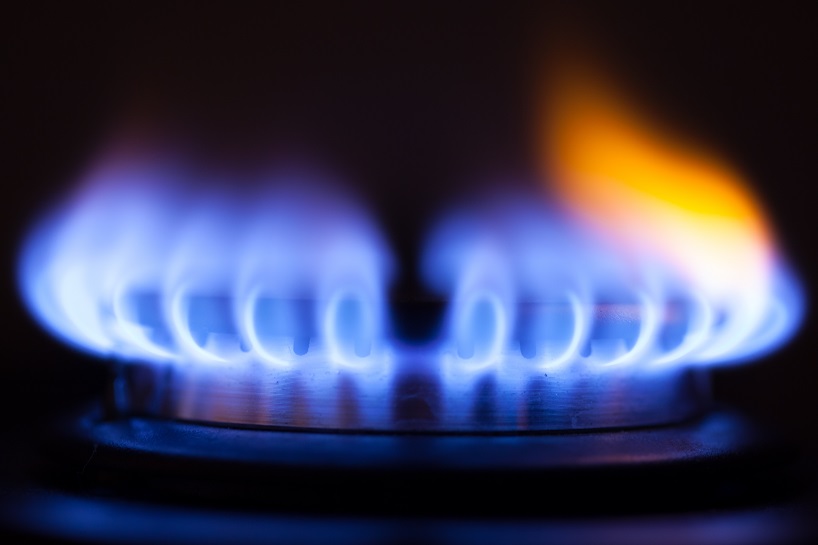
Restaurant fires are a potentially deadly risk that no business ever wants to deal with. But, the National Fire Protection Association (NFPA) says around 8,000 restaurants report a fire every year, causing an average of $246 million in property damage alone.
Preventing a fire is always better than fighting one, and there are many ways to keep your employees, patrons, and business safe. The NFPA says 57% of restaurant kitchen fires are caused by cooking equipment, and 21% happen due to greasy conditions. Having licensed service professionals take care of your airflow system is important, as one business owner learned:
“Investigators determined that the fire began when heat from the ovens ignited a build-up of grease in the ductwork. A hole in the ductwork allowed the fire to spread into the concealed ceiling space, where it charred the combustible construction and ignited the roof assembly. The Quincy, MA owner told investigators that the ductwork had been poorly cleaned two weeks earlier and that he had contacted another firm about future cleaning. The structure, valued at $2 million, and its contents, valued at $500,000, were destroyed. There were no injuries.” (Kenneth J. Tremblay, 2009, “Firewatch”, NFPA Journal, May/June, 43-44).
A dirty duct system was only partially to blame in the above case, as a hole in ductwork was an equal culprit in the building’s destruction. However, a licensed HVAC professional would be more likely to point out the potential for disaster to a business owner, in addition to properly cleaning the ducts in the first place.
A licensed service technician will also check to make sure your fire suppression system is in working order. The story below is another cautionary tale of making sure exhaust systems are properly maintained.
“Interior [fire] crews advanced a hose line into the kitchen and opened the ceiling around the duct work. Once the duct was exposed, they saw that the grease and creosote that had built up on the sides of it were still burning. Fortunately, the duct maintained its integrity, preventing the fire and heat from escaping into hidden areas before it was extinguished. Investigators noted that the hood suppression system heads did not discharge properly. The fire did approximately $5,000 in damage. There were no injuries.” (Kenneth J. Tremblay, 2012,”Firewatch”, NFPA Journal, May/June, 39).
The ductwork being closed off properly may have saved this building, though it is equally important to note that the fire suppression system did not function properly. A fire suppression system is useless if it isn’t tested semi-annually. Your local fire codes may mandate further testing.
Here are some quick tips on reducing the risk of fire in your restaurant:
- Keep cooking equipment free of grease buildup
- Always run the exhaust system from pre-heat through cooling
- Always operate exhaust with filters
- Keep exhaust ducts clear of obstructions and keep makeup air units (the ones that bring in fresh air) open
- Avoid using flammable cleaners
- Have an authorized service professional remove grease from the duct system
- Have an authorized service professional inspect fire suppression systems semi-annually, or as required
Though fires can happen, it’s important to minimize risk for the safety of your employees, customers, equipment, and business. If a fire is stopped before serious damage occurs, you could be up and running again very quickly. If you can prevent a fire outright with proper maintenance, you’ll be safer and happier with that outcome.


