What is the Difference Between Espresso and Coffee
Annie Wilhelm / Foodservice Tips, Restaurant Tips / August 18
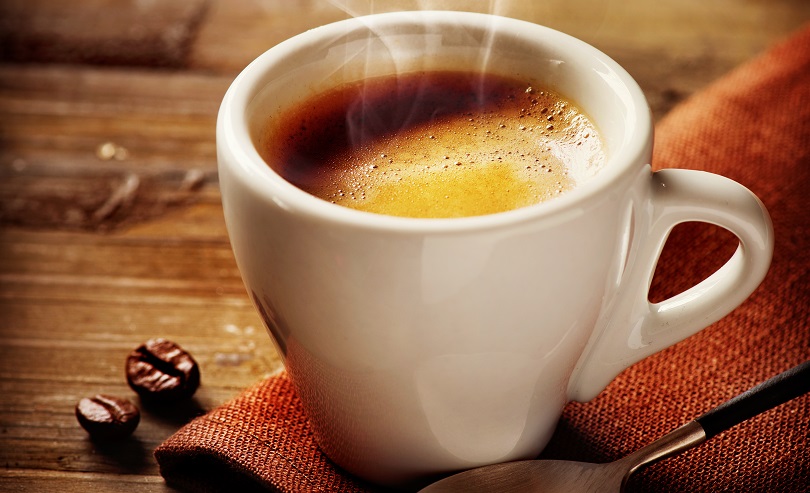
Have you ever been in line at the coffee shop squinting at the menu from twenty feet away, all the while wondering what it all means? Then you’re not alone. Whether you’re new to coffee culture or your teeth are already stained yellow, the question, “What is the difference between espresso and coffee?” plagues both those on their first and ten thousandth cup alike.
In short, espresso is the technique in which the coffee bean is roasted, brewed and ground, resulting in a more flavorful and intense drinking experience. Coffee, on the other hand, takes longer to brew, but the beans are not ground as fine or roasted as long as they are for espresso.
This article will take a deep dive into the most commonly asked questions about America’s favorite drink, addressing things like flavor, caffeination, and of course, to bean or not to bean.
Is Espresso the Same Thing as Coffee?
You’re not going to like this answer. Yes and no. All espresso is coffee, but not all coffee is espresso. The distinction between coffee and espresso lies in how the beans are processed, ground and brewed.
One question that often comes up is, “Is there a difference between espresso beans and coffee beans?”
The answer is, no, espresso beans and coffee beans come from the same plant. In other words, an espresso bean is a coffee bean, and a coffee bean is an espresso bean. That is, until the roasting process begins.
Let’s take a closer look at what this process entails and find out what exactly is espresso and how it differs from coffee.
Brew
Espresso is just one of those things that are better store bought. Sure, you can always make a version of it at home, but it might taste sour or even dry from under or over extraction. To make authentic espresso, you need a high pressure machine to heat the water to a scalding 190℉ (87℃), something your $20 coffee machine can’t do, unfortunately. Also, the extraction is much faster, taking only 20-40 seconds, whereas coffee can take anywhere from 3-5 minutes.
Roast
Another trade secret about espresso is the beans are roasted longer than the ones headed for the coffee pot. Typically, beans used for espresso are roasted to the second crack at over 500℉ (260℃). How long and at what temperature the beans are roasted depends on whether the goal is a light, medium, or dark roast. However, espresso is usually made with a dark roasted bean because it has a less acidic and heavier flavor.

Grind
Have you ever noticed when you’re in the coffee aisle that the bags are labeled espresso and coffee. That’s not a marketing ploy. To make espresso, you need beans that are ground so fine that they are like the consistency of flour. You may be surprised to find that the grind actually has a significant effect on flavor, and different brewing methods – French press, drip coffee, espresso – all have an optimal grind that squeezes the best taste out of the bean.
Taste
For those of you who have tasted the forbidden fruit of the coffee plant and then quickly spiraled into a $5+ a day caffeine addiction, you’ll know that espresso has a stronger, bolder and more full-bodied flavor than regular coffee.
Because of this, it’s used to make a variety of caffeinated beverages that we all know and love. For example, lattes, cappuccinos, americanos, mochas and affogato are all drinks that use espresso.
How Much Caffeine Is in Espresso Vs. Coffee?
Let’s preface this by saying you’re in for a shocker. Many people believe that espresso has more caffeine than coffee, but that’s actually one of the biggest misnomers about coffee out there.
As it is, espresso has more caffeine per ounce, but people usually drink coffee in larger quantities. Espresso has 63 mg of caffeine per ounce, while coffee has only 12 mg. However, the average cup of coffee has around 96 mg of caffeine, meaning that you’d have to drink two shots of espresso to get the same caffeine buzz you’re used to.
There are a few theories on how this misunderstanding began:
- The Bold Flavor – Because espresso has a stronger flavor, people mistakenly believe it will keep them awake for longer.
- The Word “Shot” – Or perhaps this fallacy came about because espresso is often referred to as a shot of espresso and the word “shot” is commonly associated with a highly concentrated dose of alcohol, also misleading people to believe that the caffeine effects will be more potent.
- There’s Math Involved – Or maybe still it’s because espresso has more caffeine per ounce, but they forget that there are eight ounces in a cup of coffee.
Whatever the reason behind this misconception, it doesn’t change the fact that you would need at least two shots of espresso for every one cup of coffee.


