5 Items Needed to Start a Restaurant
Parts Town / Foodservice Tips, Restaurant Tips / January 17

It’s no secret that entrepreneurs who want to open a restaurant need to make significant investments in equipment and supplies. Since it’s not always clear what’s needed for efficient operations, this guide to the top 7 items needed to start a restaurant will help business owners identify the resources they need to be successful.
1. Kitchen Equipment
It goes without saying that kitchen equipment like refrigerators and fryers are some of the most important items needed to start a restaurant. While units will vary based on the type of establishment, almost all restaurants require:
- Ovens – Depending on your business, you might need standard, combi, convection, conveyor or pizza ovens. Whether gas or electric, these units can bake, broil, poach, roast, steam and warm, making them cornerstones of kitchen operations.
- Ranges – These units with cooktops can boil, simmer, saute, braise and even fry. When combined with an oven, they’re some of the most important pieces of multipurpose kitchen equipment in a restaurant.
- Fryers – Need to whip up French fries, chicken wings or donuts? Commercial fryers allow you to make these items quickly.
- Refrigerators & Freezers – Cold storage is key for any restaurant. Make sure you find either reach-in or walk-in units that can keep different food, beverages and ingredients at a cool temperature.
- Dish & Warewashers – Cleaning all your cookware and utensils is crucial. Whether it’s conveyor or door-type models, you’ll need high-capacity dishwashers or warewashers to get the job done.
- Beverage Machines – Whether it’s soda, tea or coffee, you’ll need beverage equipment that lets you dispense drinks for customers quickly.
- Ice Machines – Since ice is a must for beverages and even select recipes, remember to find one or two ice machines for the back of the house.
- Hood System – Restaurant kitchens can fill with smoke very quickly: that’s why proper ventilation is critical in maintaining a safe environment for your staff members.
- Prep Tables – These units make kitchen operations more efficient by offering both ingredient storage and prep space in the same unit.
- Holding Equipment – Holding cabinets, heat lamps, steam tables and other units keep food at the proper temperature, improving product quality and customer satisfaction.
2. Food Prep Equipment
In addition to large units like refrigerators and ranges, opening a restaurant also requires a significant amount of food preparation equipment. From mixers to measuring cups, smaller units and gadgets that new restaurants need include:
- Food Processors – From slicing and dicing to shredding and whipping, food processors are essential for making large batches of soups, sauces and spreads.
- Slicers – Whether automatic or manual, slicers make the job of cutting meat, cheese, bread, tomatoes and other foods quick and easy.
- Mixers – You can find a commercial mixer in a wide variety of sizes and models, ranging from 20-quart stand mixers to 140-quart floor models. The option you select depends on the demands of your menu or application.
- Blenders – From soups and sauces to dressings and cocktails, you’ll need these to keep making delicious concoctions for various portions of the menu. And don’t forget about immersion blenders–they’re the perfect size for small jobs.
- Can Openers – Since most restaurants use at least some canned ingredients, commercial can openers are always a good investment.
- Food Scales – If you want to measure ingredients by weight instead of volume, digital and analog scales are some of the most useful gadgets in a restaurant kitchen.
- Cutting Boards – Chopping boards protect kitchen countertops from sharp knives, as well as allow cooks to transfer cut items to a pot or container very easily.
- Pots & Pans – From saucepans and frying pans to woks and griddles, every kitchen needs a good assortment of cookware.
- Cooking Utensils – Spatulas, spoons, knives and other smallwares allow kitchen staff members to stir, flip, cut and serve foods with ease.
- Measuring Cups & Spoons – Measuring ingredients and portions accurately improves not only food quality but also budget efficiency.
3. Apparel & Uniforms
Having the right apparel and uniforms for your restaurant’s staff members is crucial. Since the right attire for your staff members can help you not only maintain brand standards but also ensure food safety, make sure you purchase:
- Staff Uniforms – Requiring uniforms for waitstaff helps create a sense of professionalism that your guests will appreciate.
- Chef Coats – Cooks who wear chef jackets stay protected from hot stoves and splattering liquids that can cause burns.
- Waitstaff Aprons – In addition to improving hygiene, aprons give servers a place to store pens, notepads, tablets, tips and anything else they need to do their job.
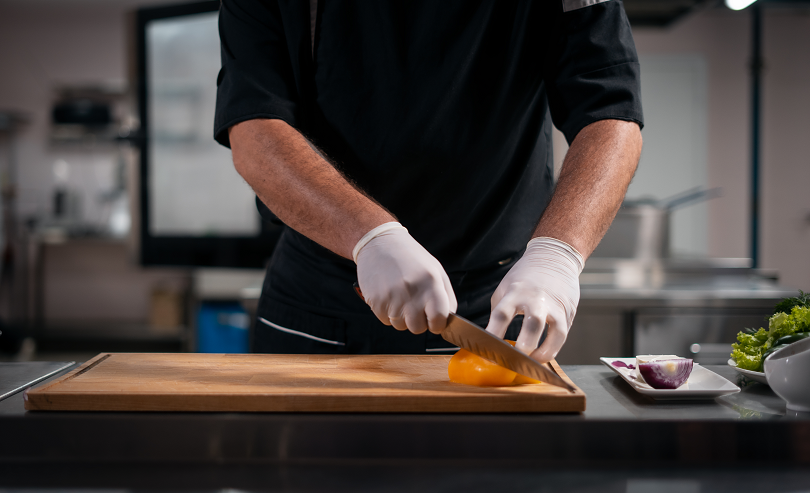
- Plastic Gloves – Disposable gloves enhance food safety by minimizing the transfer of microorganisms between bare hands and restaurant food.
- Hats & Hair Nets – Nobody likes finding hair in their food, so making sure your kitchen staff’s hair stays covered can help keep the number of angry customers to a minimum.
- Shoe Covers – Asking kitchen staff to wear shoe covers minimizes the amount of germs and dirt brought in from the street.
- Adult Bibs – If you own a restaurant that serves barbecue or another type of food that’s known to be messy, offering free bibs to customers would be a nice gesture.
4. Tableware
Many restaurateurs overlook the importance of tableware. However, it’s essential not only because of its functionality but also for its ability to enhance the visual experience for diners, so don’t forget about:
- Plates – In addition to holding food, plates can also help keep food warm if they’re heated before use.
- Bowls – If you want to put soups and stews on your menu, bowls are essential.
- Cutlery – Forks, knives and spoons allow customers to keep their hands clean while enjoying their meal.
- Napkins – Napkins help your guests stay clean while eating, so make sure you have plenty on hand at all times.
- Glassware – Be sure to have a variety of water and wine glasses for different uses and occasions.
- Mugs – If you want to start selling restaurant merchandise, consider serving coffee, tea or hot chocolate in branded mugs that customers can keep.
- Condiment Jars – In addition to the standard salt and pepper shakers, don’t forget about jars for powdered cheese or flaked chilis.
- Tablecloths – Besides making cleanup easier, tablecloths can add an air of elegance to your restaurant’s dining room.
5. Food Packaging Supplies
Offering takeout and catering allows customers to enjoy your food outside of your primary location, so disposable food packaging supplies are essential items needed to start a restaurant. If you’re not sure what to stock up on, be sure to consider:
- Paper Plates – While paper plates might not be appropriate for the dining room, they can be indispensable if you offer catering services.
- Plastic Cutlery – Along with disposable plates, single-use forks, knives and spoons are key catering supplies.
- Disposable Cups – In addition to catering uses, single-use cups also allow your restaurant to offer coffee, lemonade and other drinks to go.
- Takeout Containers – Pizza boxes, salad containers and other options are essential if you want to offer delivery.
- Paper Napkins – Single-use napkins give your catering, takeout and delivery customers a way to keep their hands clean.
- Foil Pans – For catered events like graduation parties and business lunches, foil pans allow you to prepare and transport large portions, as well as keep them warm..
- Disposable Baking Supplies – Paper cupcake liners and foil pie pans make baking, transporting and serving delicious treats hassle-free.
6. Janitorial Supplies
Since cleanliness not only safeguards customers’ health but also influences their impression of your business, janitorial supplies are essential for any new restaurant or cafe. Below are some materials to stock up on before opening your doors to the public:
- Brooms – From push brooms for sweeping large areas to whisk brooms for tidying up small messes, brooms and dustpans are essential for keeping your restaurant clean.
- Mops – You’ll need both wet mops for disinfecting and dry mops for dusting.
- Buckets – Buckets are ideal for not only holding cleaning solutions when mopping but also disposing of waste and cooking byproducts.
- Vacuums – While brooms and mops are intended for hard floors, vacuums help keep rugs and carpets looking good as new.
- Cleaning Chemicals – Sanitizers, disinfectants, floor cleaners, dishwashing detergents and more all have a role to play in keeping your restaurant running smoothly.
- Cleaning Tools – Ranging from cloths and towels to brushes and sponges, you’ll need a variety of supplies to clean, wipe, polish and dry.
- Paper Towels & Toilet Paper – Make sure your restroom is always stocked so everyone in your restaurant can maintain good hygiene.
- Soap (Kitchen & Restrooms) – Soap is one of the most important janitorial supplies in a restaurant because it removes unwanted dirt and minimizes bacterial cross-contamination.
7. Safety Equipment
Keeping customers safe is critical for any business, so don’t forget about items such as PPE equipment and smoke alarms when starting a restaurant. Other types of safety equipment and supplies you should plan on purchasing include:
- Fire Alarms – While usually not mandatory for very small restaurants, fire alarms are a fast and effective way of alerting people of an emergency.
- Fire Extinguishers – If you want to protect your restaurant from fire, make sure you have Class K fire extinguishers because they’re designed for use in the kitchen.
- Oven Mitts – Pot holders and hot pads allow kitchen staff members to hold pans, pots and trays without burning themselves.
- Safety Gloves – Cut-resistant gloves make the use of knives and slicers much safer.
- Eye Protection – Cooking goggles and safety glasses keep hot or acidic liquids from splashing into employees’ eyes and causing injury.
- First Aid Kits – Accidents are bound to happen, so be prepared with fully-equipped first aid kits.
- Wet Floor Signs – Since wet floors are slipping hazards, warning people to be a bit more careful in certain areas can help prevent accidents.
- Traffic Cones – Safety cones can help direct the flow of traffic in your parking lot or drive-thru.


